

Choosing the right orthodontist shapes your smile for life. The questions you ask during a free consultation reveal credentials, treatment philosophy, and whether a practice is the right fit for you and your family. Knowing what to ask when choosing an orthodontist helps you compare providers on quality and fit, and sets you up for confident decisions.
Why the Right Questions Matter When Choosing an Orthodontist
Orthodontic treatment typically lasts 12 to 24 months, so the provider you pick will guide your smile for a long time. Asking smart questions upfront helps you spot board-certified specialists, understand your options, and avoid oversold treatments.
The right questions do more than fill a notebook. They reveal:
- Credentials and training. Is this a specialist or a general dentist offering braces on the side?
- Experience with cases like yours. Has the practice treated similar bites, ages, and goals?
- Treatment philosophy. Will your plan be individualized or one-size-fits-all?
- Comfort and communication. Will you feel heard at every visit?
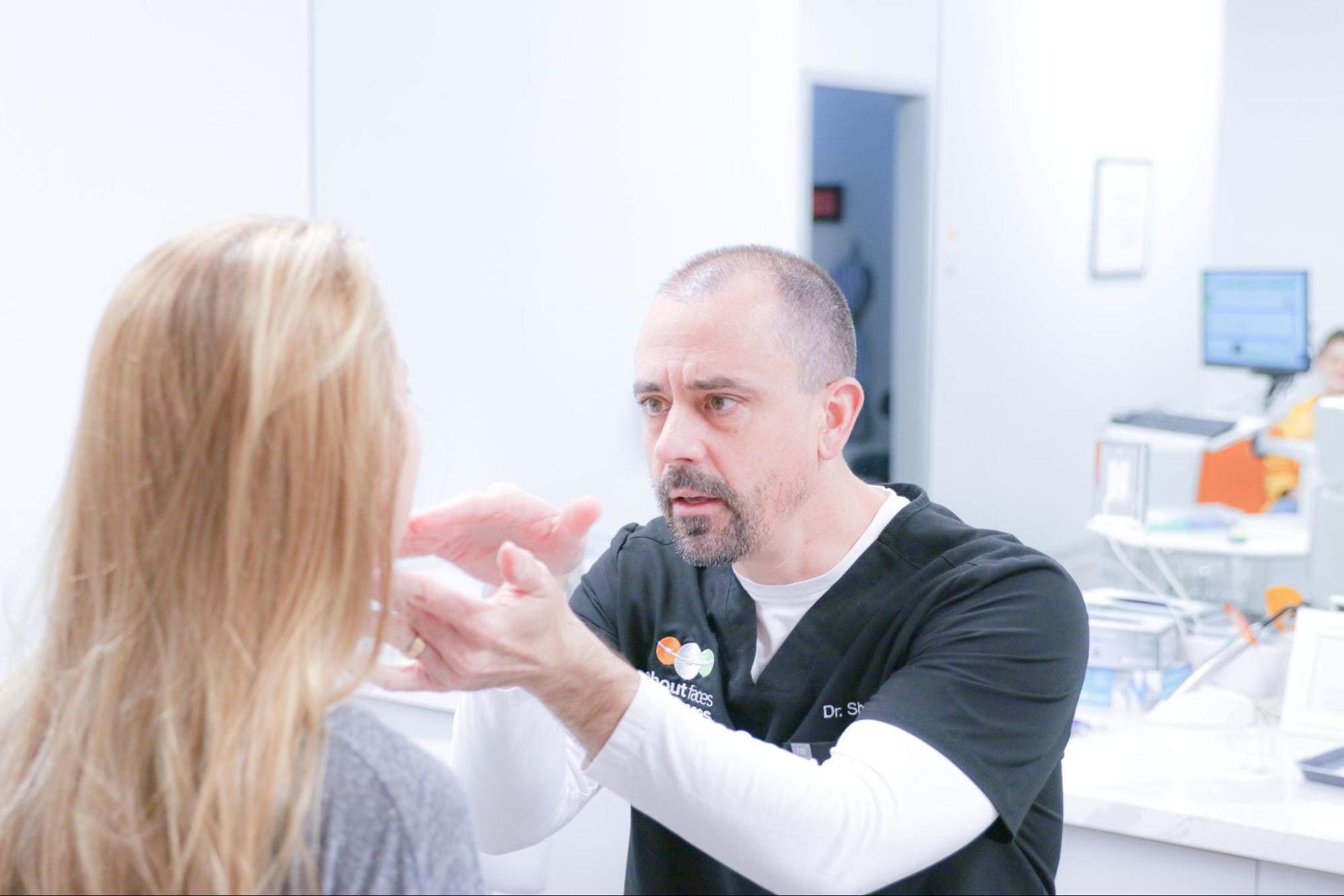
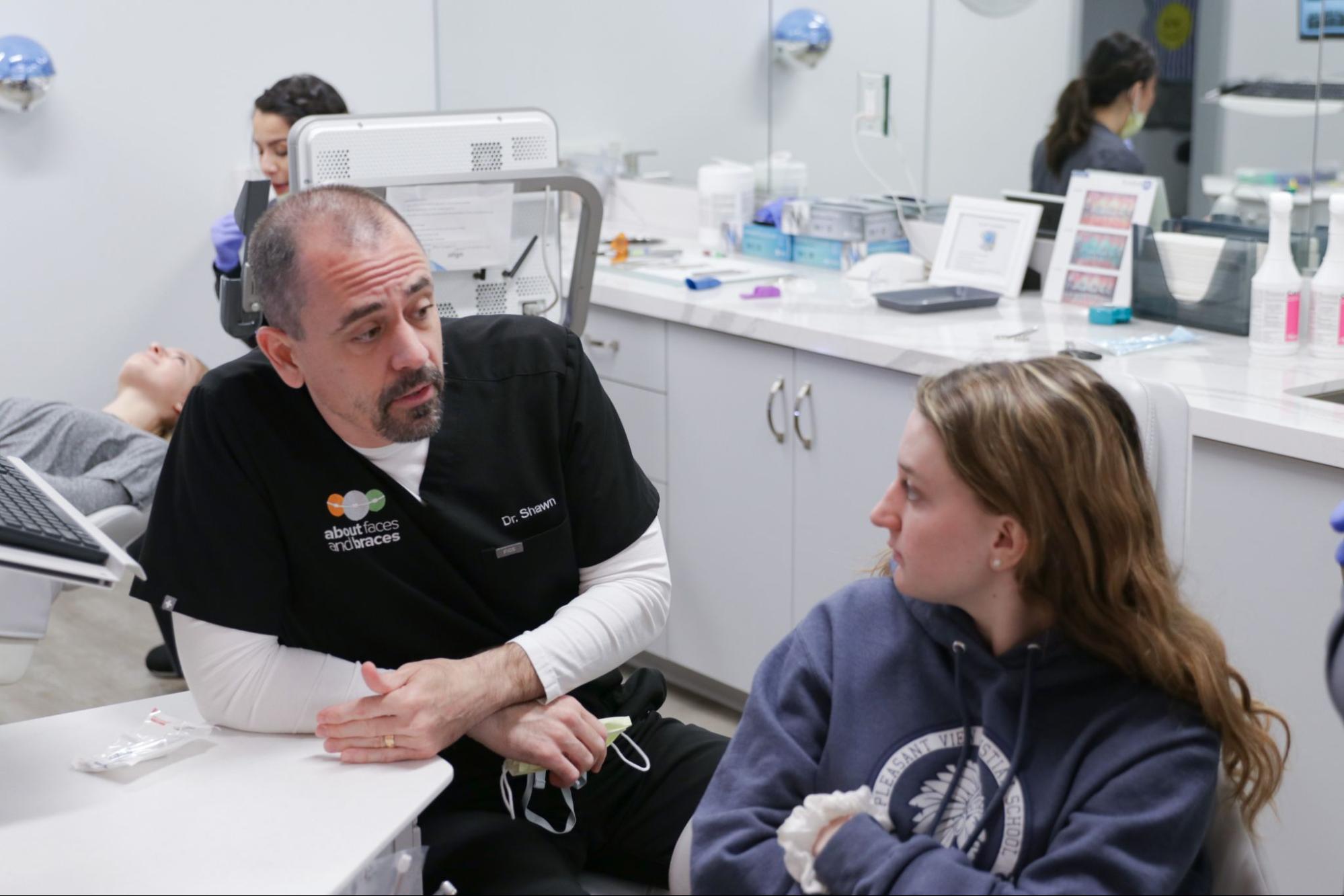
At About Faces and Braces, we offer a free consultation so you can meet Dr. Shawn or Dr. Candice, tour the office, and ask every question on your list before making a decision. No pressure, no obligation. Just honest answers from board-certified orthodontists who want you to feel confident about your smile.
How to Prepare for Your Orthodontic Consultation
A little prep makes your first visit far more productive. Follow these steps to get the most out of every consult you book.
- Book a free consultation. Call ahead or request a virtual exam if the practice offers one. About Faces and Braces offers free consultations and virtual exams, plus digital scans that build a 3D image of your mouth without messy molds.
- Gather your records. Bring any recent dental X-rays and your current dentist’s contact info. If you’ve had orthodontic work before, bring those records too.
- Write down your concerns. List what bothers you about your smile or bite. Spacing? Crowding? Jaw clicking? A specific tooth you’ve always disliked? Specifics help your orthodontist build a plan around your real goals.
- Ask about the diagnostic process. Will they take photos, X-rays, and a digital scan? How do they decide between metal braces, clear braces, and clear aligners?
- Request a written treatment plan. Get the recommended treatment and estimated length in writing. This makes comparing offices much easier.
- Bring a second set of ears. A spouse, parent, or friend can take notes and help you remember what each family said.
Treat the consult like an interview. You’re hiring someone for a 12 to 24 month relationship, and you deserve clear answers before you commit.
8 Essential Questions to Ask Your Orthodontist
Print this list, screenshot it, or jot it in your notes app. These are the questions that separate a great practice from an average one, grouped by what each one reveals about the provider.
Questions About Credentials and Treatment Options
- Are you a board-certified orthodontic specialist? Board certification is the gold standard for training and ongoing education, and only a small share of orthodontists complete the full process. Dr. Shawn and Dr. Candice are both board-certified orthodontists.
- What treatment options do you recommend for my case, and why? A good orthodontist will explain multiple paths and the trade-offs of each. Watch out for anyone who only offers one option.
- Can I see before-and-after photos of similar cases? Real results from real patients tell you more than any brochure.
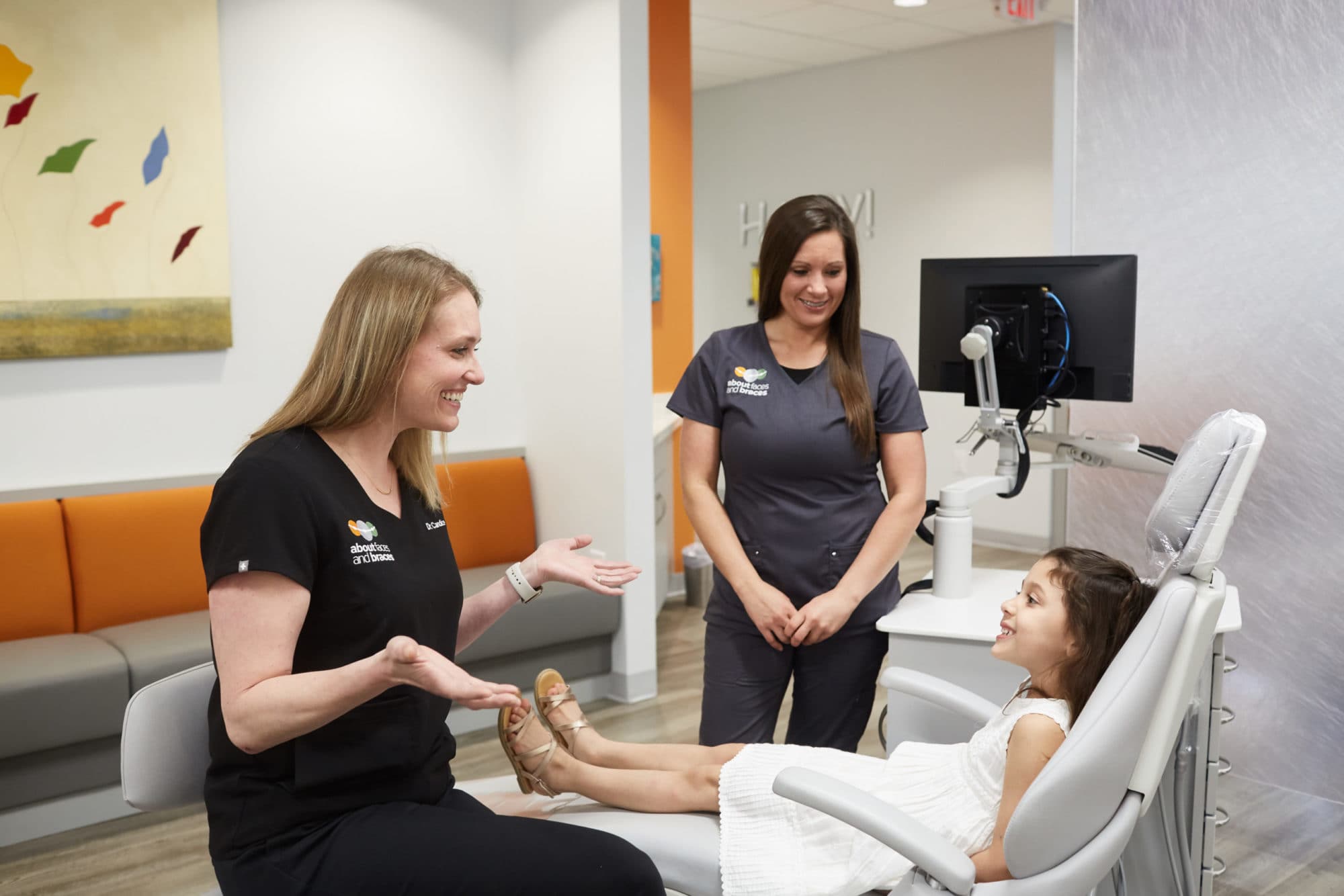
- How do you make kids and anxious patients feel comfortable? You’ll learn a lot about the practice’s culture from the answer.
Questions About Timeline and Technology
- How long will my treatment take, and how often are visits? Most patients come in every 4 to 8 weeks for adjustments. Ask what a typical appointment looks like.
- What technology do you use? Digital scans, 3D imaging, and modern clear aligner systems can make treatment smoother and more precise.
Questions About Support and Long-Term Results
- What happens if I have an orthodontic emergency? Broken bracket on a Sunday? Loose wire before a big event? Find out how the practice handles urgent issues.
- What are my retainer options after treatment? Retainers protect your results. Ask what type they recommend. Also ask how the team will communicate with you between visits, whether that’s text, patient portal, or phone. Good communication keeps your treatment on track.
Orthodontist vs. General Dentist vs. DIY Aligners
Not every provider offering teeth straightening has the same training. Here’s how the three main options compare.
| Factor | Orthodontist | General Dentist | DIY Mail-Order Aligners |
|---|---|---|---|
| Specialty training | 2-3 years beyond dental school | None required | None |
| In-person exam & X-rays | Yes | Sometimes | No |
| Treats complex bites | Yes | Limited | No |
| Progress monitoring | Every 4-8 weeks | Varies | Self-reported photos |
| Handles emergencies | Yes, in family | Sometimes | No in-person support |
| Board certification possible | Yes | No (not for orthodontics) | N/A |
Orthodontists complete 2 to 3 years of specialty residency after dental school focused entirely on tooth movement, jaw development, and bite correction. General dentists may offer braces or aligners, but they haven’t trained as specialists in these areas. DIY mail-order aligners skip the in-person exam entirely, which can mean missed cavities, gum disease, or bite issues that get worse during treatment.
For simple cosmetic cases, some options may work. For anything involving bite correction, extractions, growing kids, or complex movement, a board-certified orthodontist like Dr. Shawn or Dr. Candice gives you the best shot at a lasting result.
Questions by Age Group: Kids, Teens, and Adults
Orthodontics for all ages means different conversations for different patients. About Faces and Braces treats you and your family at every life stage, and these are the questions worth asking based on who’s getting treatment.
For children (ages 7-10):
- Does my child need early (Phase 1) treatment, or should we wait?
- How often should we come back for growth monitoring?
- Will early treatment reduce the need for braces later?
For teens:
- What are the differences between metal braces, clear braces, and clear aligners?
- How will treatment affect sports, instruments, or school activities?
- Are there options that work well for busy, active teenagers?
For adults:
- What are the most discreet options for my case?
- How does treatment length compare for adults vs. teens?
- How do I protect my gum health during treatment?
For every age group:
- What retainer options keep my smile stable long-term?
- How do lifestyle factors (diet, habits, sports) affect my treatment choice?
Dr. Shawn or Dr. Candice will walk you through options individualized to your age, goals, and daily life. Ready to see your options in person? Start your smile journey with a free consultation and bring every question on your list. Welcome to the family.
Frequently Asked Questions
What questions should I ask when getting braces?
Focus on four areas: credentials (is the provider a board-certified orthodontist?), estimated timeline, retainer plans after treatment, and emergency support. Also ask about technology like digital scans and whether you’ll have options between metal braces, clear braces, and clear aligners. A free consultation is the perfect time to get all of these answered in writing. Bringing a written list keeps the conversation focused and makes it easier to compare one practice against another after the visit.
Do braces hurt more on day 2 or 3?
Soreness usually peaks 24 to 72 hours after braces are placed or adjusted, so days 2 and 3 are often the most tender. The feeling fades within a few days as your mouth adjusts. Over-the-counter options, soft foods, and orthodontic wax help most patients stay comfortable during this short window.
What are some facts about orthodontists?
Orthodontists complete 2 to 3 years of specialty training after dental school, focused entirely on tooth movement, jaw growth, and bite correction. Only board-certified orthodontists have passed rigorous extra exams through the American Board of Orthodontics. Both Dr. Shawn and Dr. Candice at About Faces and Braces are board-certified orthodontists serving you and your family across four Middle Tennessee locations in Clarksville, Nashville, and Springfield.
How do I know if an orthodontist is qualified?
Look for three signals: board certification (the gold standard), membership in the American Association of Orthodontists (AAO), and completion of a specialty residency after dental school. You can also check Google, Facebook, and Yelp reviews, ask to see before-and-after photos of similar cases, and pay attention to how the team answers your questions during the free consultation. You deserve an amazing smile, and the right questions help you find the right board-certified orthodontists to deliver it.